inspiring, educating and growing a more sustainable future
Pocket City Farms is a not-for-profit social enterprise dedicated to empowering people through education to regenerate our environment, climate and community
impact focus
fair food
education
community
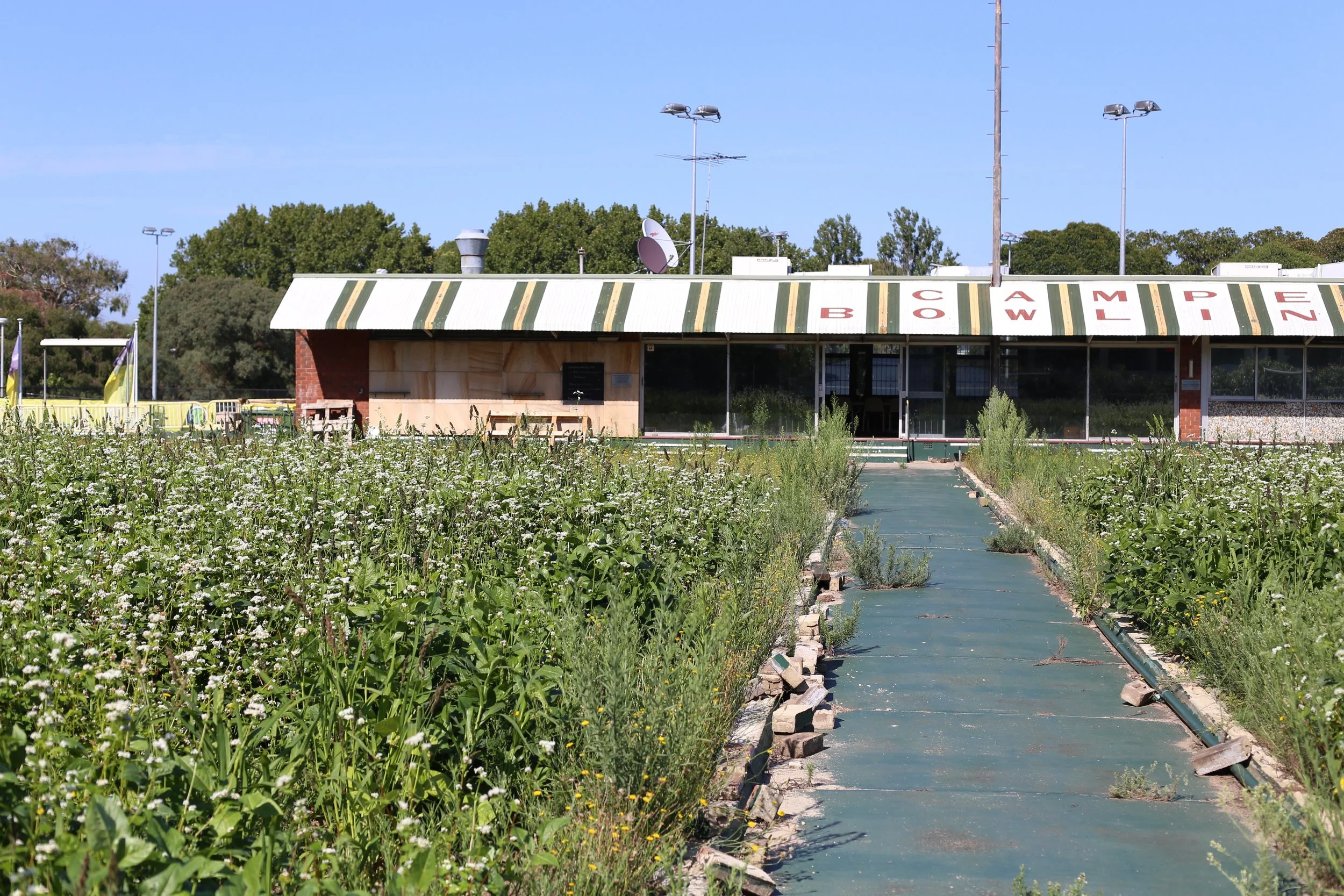
From a sandy bowling green
Pocket City Farms was inspired by our founders, Emma, Zag and Karen, in 2013, who had the idea of creating an urban space where people could grow nutritious organic food and learn about regenerative farming and sustainable food systems.
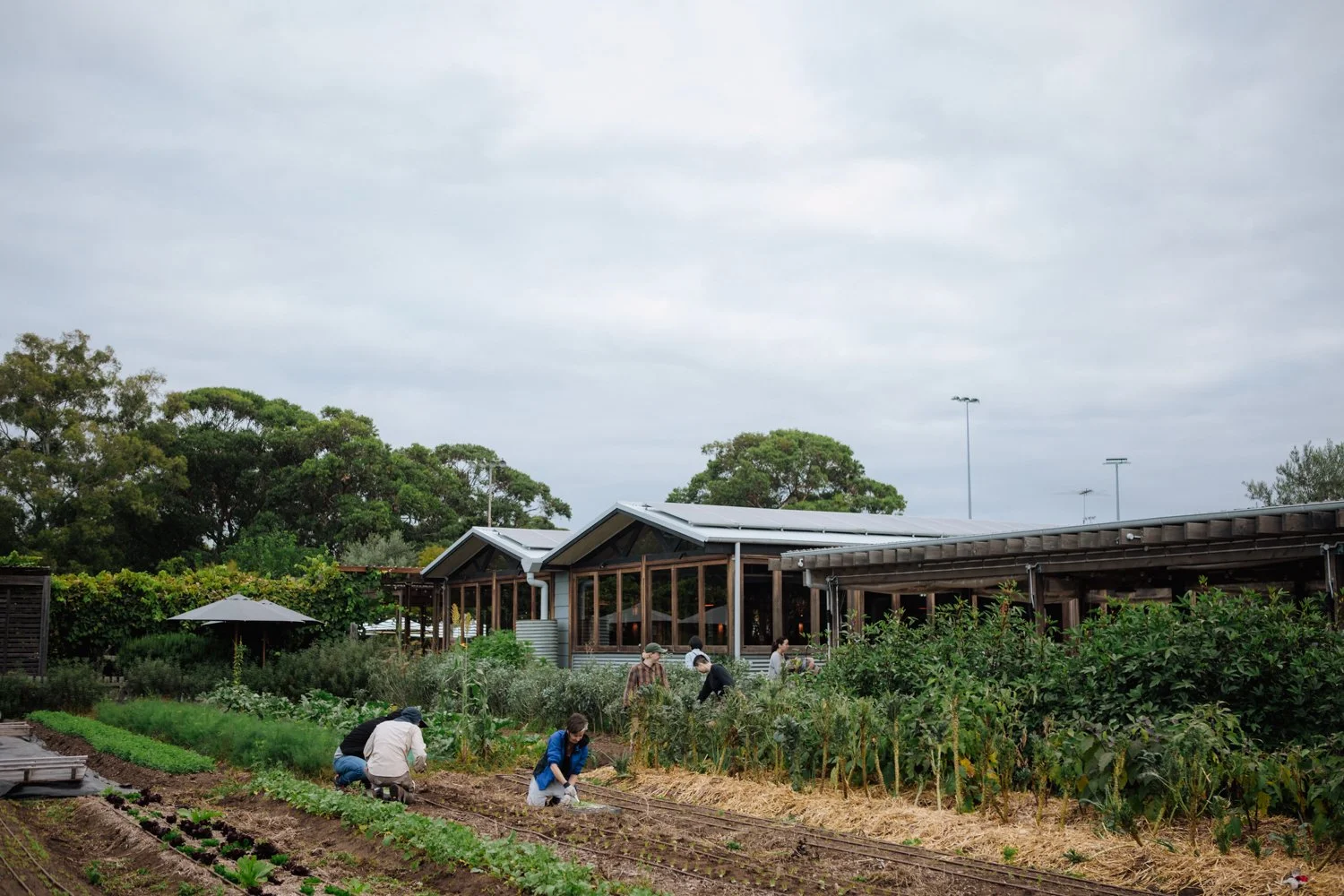
Our farm took root in 2016 on what was formerly the Camperdown Bowling Club, which was in need of tender-loving care. After rigorous soil testing, site planning, and the installation of an underground water tank, we were ready to get our hands dirty.
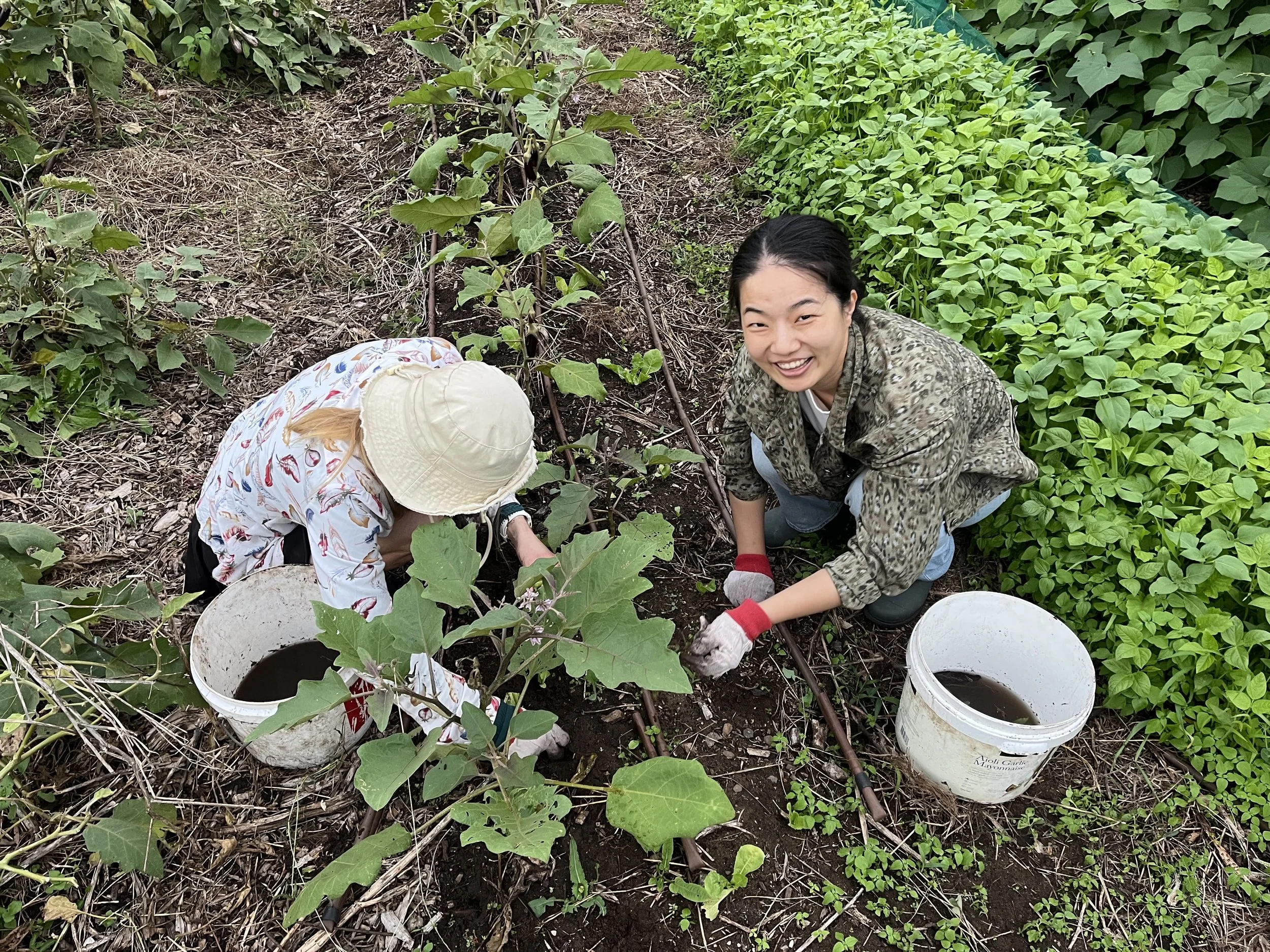
With the help of our dedicated and hardworking volunteers and foundational staff members, soil was tilled, seeds were sown, and the excitement about our urban farm spread throughout the community.
to flourishing fields and a strong community
Now, many years later, we’ve nurtured a thriving community of volunteers, schools, businesses and, of course, local fauna who love to visit us and see what’s growing.
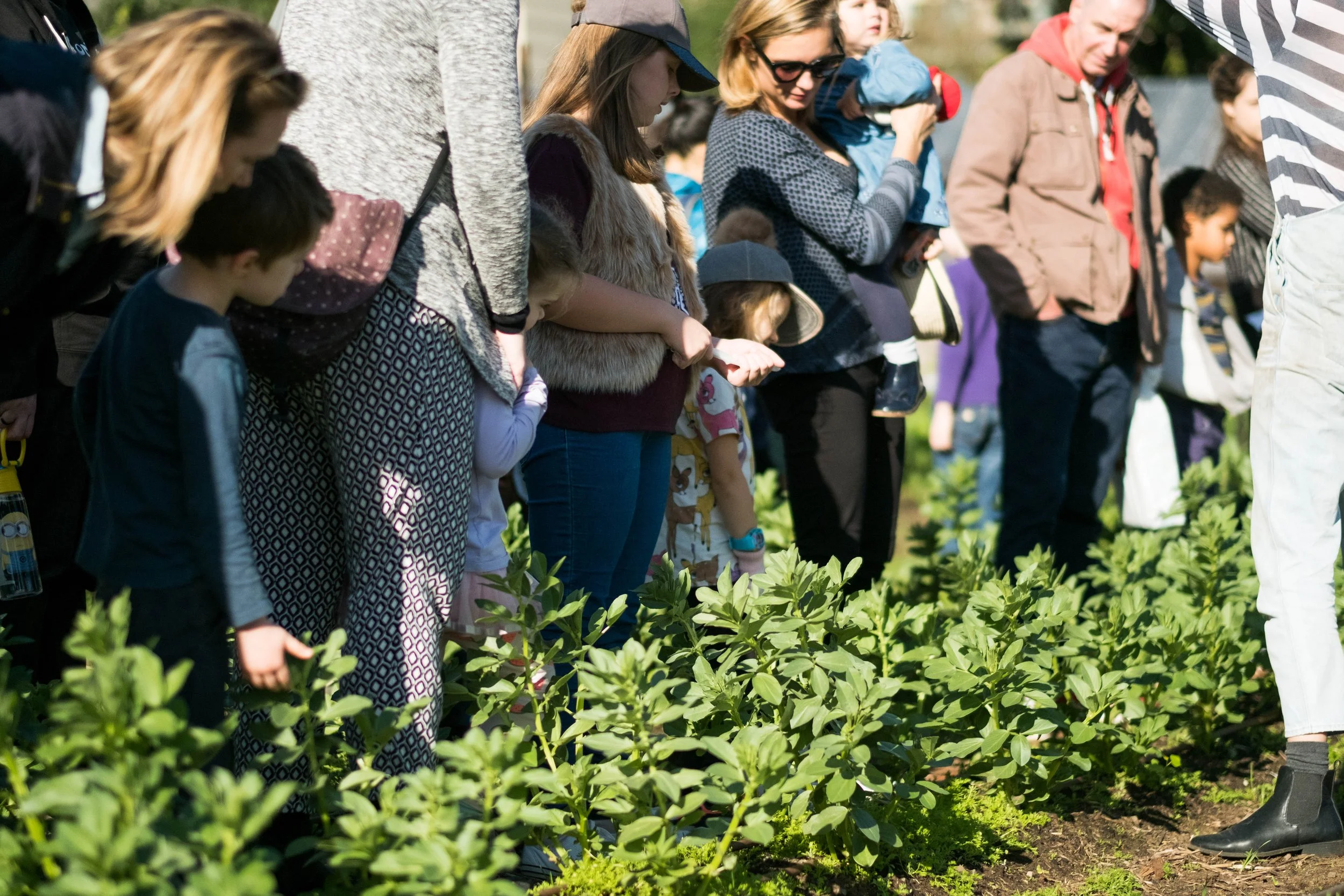
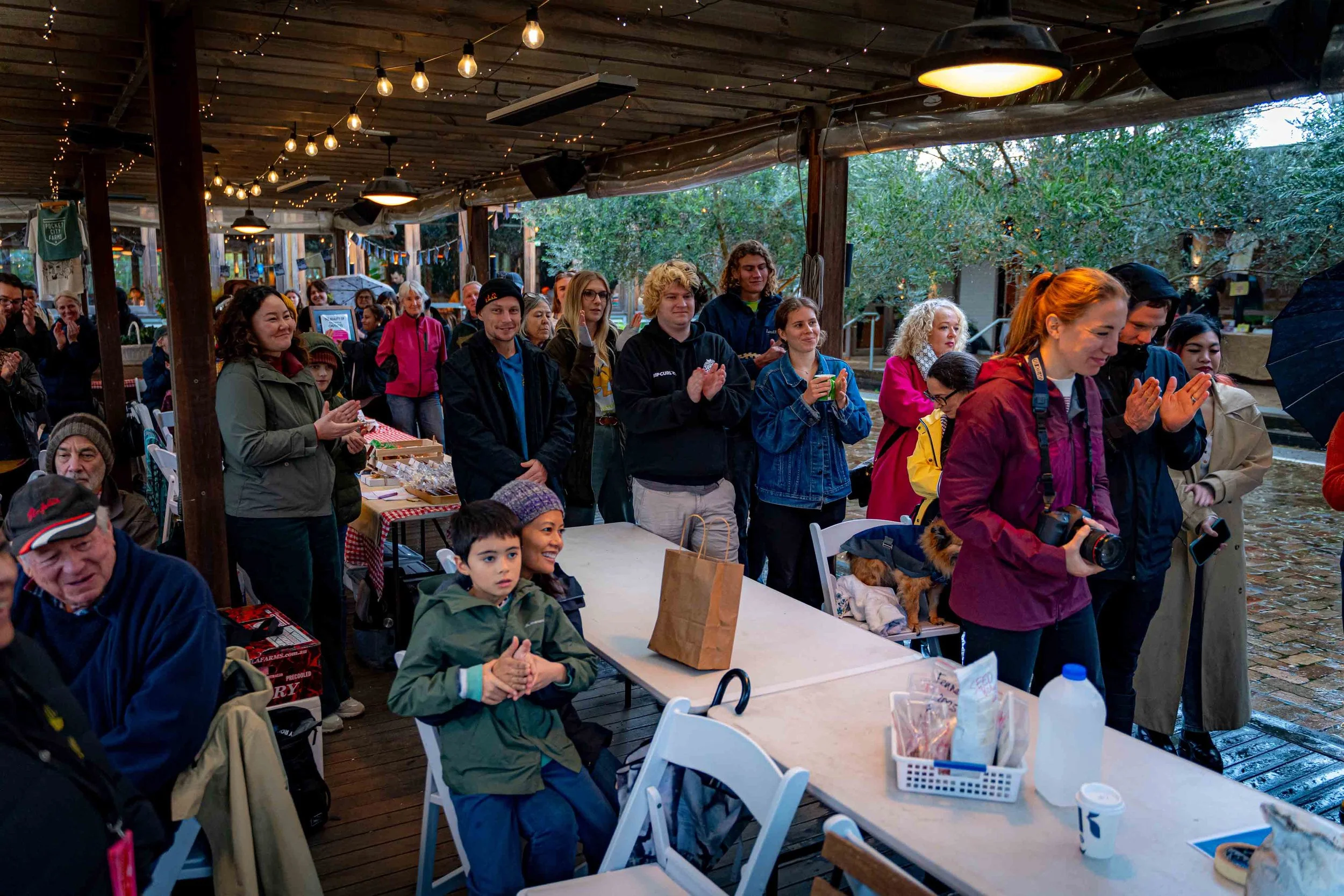
Our volunteers are the driving force behind Pocket City Farms, and through their dedication and engagement, we’ve had the pleasure of hosting numerous educational workshops, market stalls and festivals that bring the community together.
Frequently asked farm questions
-
Pocket City Farms is an incorporated not-for-profit social enterprise. Our farm operations are managed by a full-time staff member (Farm and Community Manager) and we employ staff who manage our Education programs and Partnerships.
Although we aren’t a community garden, building a community of people who are passionate about sustainability and regenerative food systems is one of our key goals. We encourage you to start your Pocket City Farms experience by joining one of our volunteering sessions.
-
We farm using organic and regenerative principles. In our growing practices, we aim to nurture our soil and the garden ecosystem, and to make a positive contribution to our local and global environment. The pillar of our food production practices is ‘fair food’ - food that is fair for the people who grow it, who eat it, and the environment it is grown in.
What does this mean in practice?
Minimising the amount that we till our soil.
Keeping our soil covered to look after our soil ecosystem, either with living plants or with mulch.
Using cover crops (or green manure crops) for soil nutrition, rather than synthetic fertilisers.
Avoiding monocultures, embracing diversity.
Working towards turning food waste from the restaurant into worm castings for soil health and crop nutrition.
Using zero herbicides and fungicides.
Prioritising natural insect control methods; e.g. companion planting, providing refuges for insect predators.
Very rarely using insecticides, and using only natural and organically approved ones when we do.
Using only organic-approved soil amendments.
Reusing local waste streams for mulch, such as coffee chaff and sacks from local roasters and woodchip from local arborists.
Growing our own seedlings.
Saving seeds from our crops and prioritising heirloom vegetable varieties.
Focusing on crop rotation to minimise soil pests and manage nutrition.
Growing seasonal, climatically-appropriate foods; working with nature, rather than against it.
We do not have a tractor, so all of our farming is done by hand. We have a variety of hand tools that we use for soil preparation, weeding, and transplanting. Seeding is either done by hand or by using our Jang seeder. Almost everything that we do on the farm, we do with our many wonderful community volunteers, or with businesses or school children who come to visit us.
-
We are constantly adjusting the crops that we grow, depending on what the season ahead is looking like, what our community is requesting, what has sold well, and what has grown well.
Because we are growing in a small space, when deciding what to grow we have to consider carefully how long each crop is in the ground for, how difficult it is to grow and harvest, and what the final sale price for that crop will be. For example, we choose not to grow potatoes, because they take a long time to mature, take up a relatively large space, and have a low final sale price.
We try to only grow what will grow well in our local climate and in the current season. Some of these things are also interesting or heirloom crop varieties that aren’t typically available at the grocery store.
Some things we grow often are;
Leafy greens (eg, amaranth, kale, broccoli leaf, sweet potato leaf, mustard greens, endives, chicory)
Alliums (eg, spring onions, purple shallots, leeks)
Salad greens (eg, our salad mix, or occasionally whole lettuce heads)
Root vegetables (eg, beetroot, radishes, baby carrots, purple carrots, salad turnips, ginger, turmeric, jerusalem artichokes)
Starchy vegetables (eg, eggplant, broccolini, kohlrabi)
Other fruiting ‘vegetables’ (e.g. chilli, tomatoes)
Annual herbs (e.g. basil and coriander)
Flowers (including lots of edible flowers)
We also have many perennial plants that provide additional crops for us, such as rosemary, thyme, and makrut lime.
As well as the market garden, we maintain a food forest full of largely perennial food crops which is available for members of the community to forage from for free. Some of the crops in our food forest include lemons, limes, strawberry guavas, figs, lemongrass, lemon myrtle, finger limes, okinawa spinach, parsley, nasturtium, bay leaf, and many more!
-
All our produce is grown locally on site using organic principles. We sell to local restaurants and cafes, and directly to the public.
It is available for purchase by the public through three different methods.
Custom Vegetable Boxes
Select your favourite vegetables from our seasonal range and have them harvested to order for you! Shop our current produce here. Place your order online before 5pm each Wednesday for collection on Thursday 12.30pm-1.30pm, Friday 12.30pm-1.30pm, or Saturday 8.00am-9.00am.
Camperdown Organic Buyers Group
Our produce is combined with certified organic wholesale produce to create a varied and great value box of fruits and vegetables. Order your box online to the Camperdown location (our farm) before 5pm on Wednesdays, and join us at Pocket City Farms at 5:15pm on Thursdays to divide up the abundant produce and take it home. The divvy is a great chance to meet your local veg-loving community and exchange recipes.
Our Honesty Stall
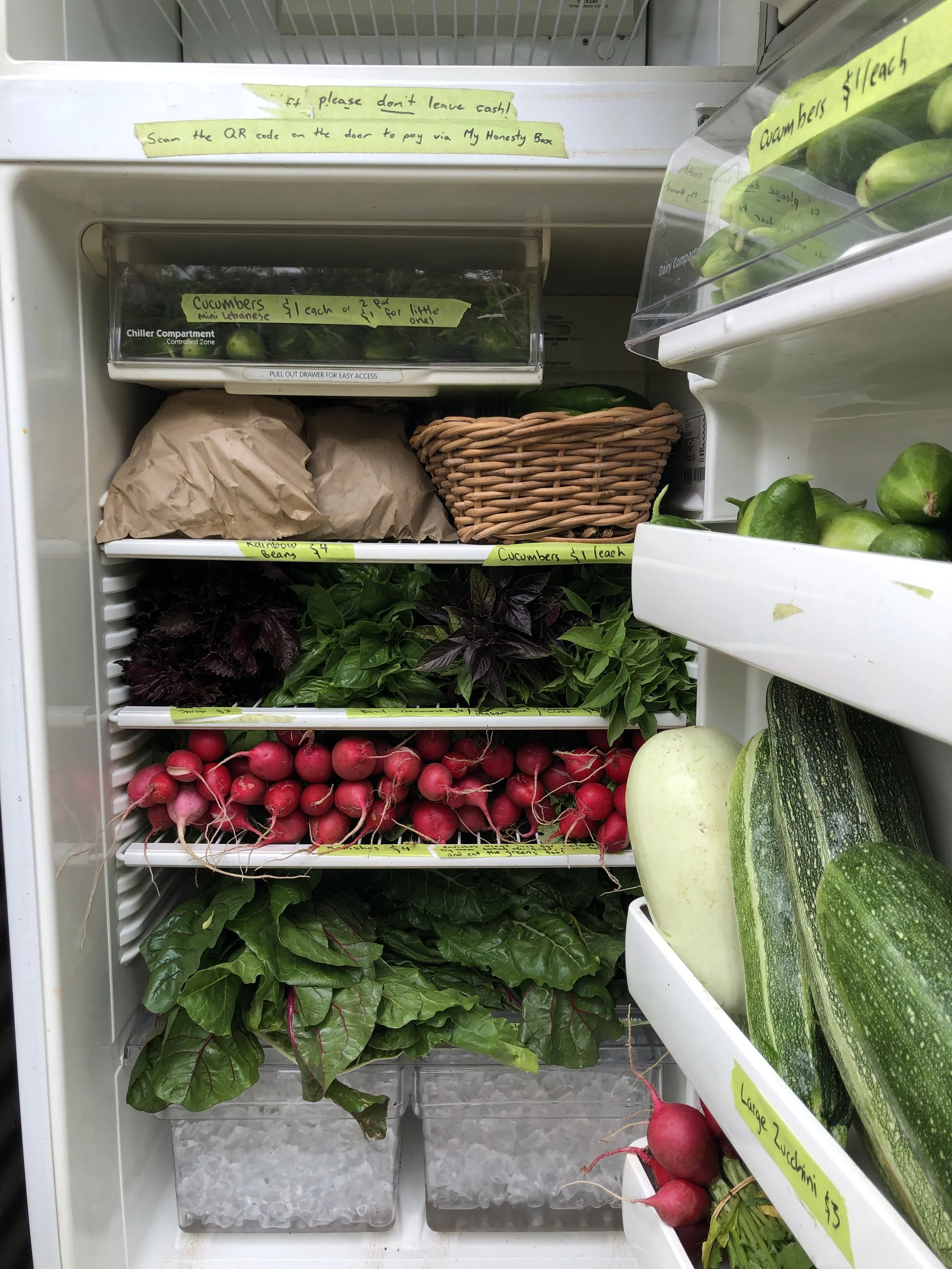
When we have excess produce, we stock it in our honesty stall, located on the street verge at 31A Mallet St, Camperdown. We notify the community through social media when it has been stocked. If you can afford to purchase the produce, please pay using the QR code on the front of the stall. If you cannot afford to purchase the produce, please take what you need.
If you are a restaurant or business interested in using us as a supplier, please contact us at info@pocketcityfarms.com.au
-
Yes. Ensuring our produce is chemical and contaminant free from what we put on it, to the soil its grown in is incredibly important to us! We are conscious of the risks of heavy metals in soils, and the site went through very vigorous testing, including testing of the soil down to depths of 1.5 metres, and growing and testing produce. All of our testing has shown that the soil and depths we grow in are clean and safe for consumption.
-
We are located at 31A Mallett St, Camperdown. Close to Newtown and Parramatta Road.
TRAIN + 15 minute walk //
Catch a train to Newtown station and walk straight down Australia Street. Cross through Camperdown Park and you will reach Camperdown Commons.
BUS //
Buses run frequently from Central Station to the Bridge Road school bus stop on Parramatta Rd.
Bus routes include: 413, 436, 438, 439, 440, 480, 483 + M10
PARKING // Parking on local streets is regularly monitored and are 2 hour limits. There’s also a Secure Carpark on Grose St that can be utilised.
-
You can reliably find us on the farm 8am - 10am every Thursday morning and 8am - 10am some Saturday mornings (when our community volunteering sessions run). Outside of these times, we are often on the farm and in the office on weekdays; however, we are a small team with flexible working arrangements, so if you are hoping to catch us, it's best to line up a time by emailing us at info@pocketcityfarms.com.au.
We are co-located with Camperdown Commons, who run the restaurant on site. When they are closed, you will not be able to access any part of the farm except for our community food forest. Any time they are open, you are welcome to wander the site, enjoy the gardens and view the farm from the fence lines. See their website for opening hours.
-
The restaurant is run by our site partners Camperdown Commons. They have indoor and outdoor dining spaces, community spaces for hire and can host your functions and events. View their menus here.
learn more about Pocket City Farms